Our work
Three priorities guide us: education, access, and solutions that last. This page describes our approach and what we are exploring. Completed projects will be added once they are documented.
Hydration and hygiene education
Practical knowledge people can use the same day.


The need
Having water nearby is only part of the picture. How it is collected, stored and handled at home affects whether it stays safe to drink.
Everyday habits matter too: washing hands with soap at key moments, and drinking enough through hot days or physical work.
Our approach
We are developing plain-language information, workshops and printed materials as our main ways of sharing this knowledge.
Each one is meant to be adapted with the people who will use it, so it reflects their language, their water sources and the questions they actually have.
What a workshop might cover
- Why regular drinking water matters, especially in heat and during physical work
- Keeping stored water clean: covered containers, clean cups and scoops
- When to wash hands with soap, and how to do it well
- Simple routines for homes, classrooms and community spaces
What collaboration could look like
A school, community group or educator could host a session, tell us which questions come up most, or review draft materials for local relevance. We would plan the content together.
Safe-water access
Understanding the barrier comes before choosing a fix.

The need
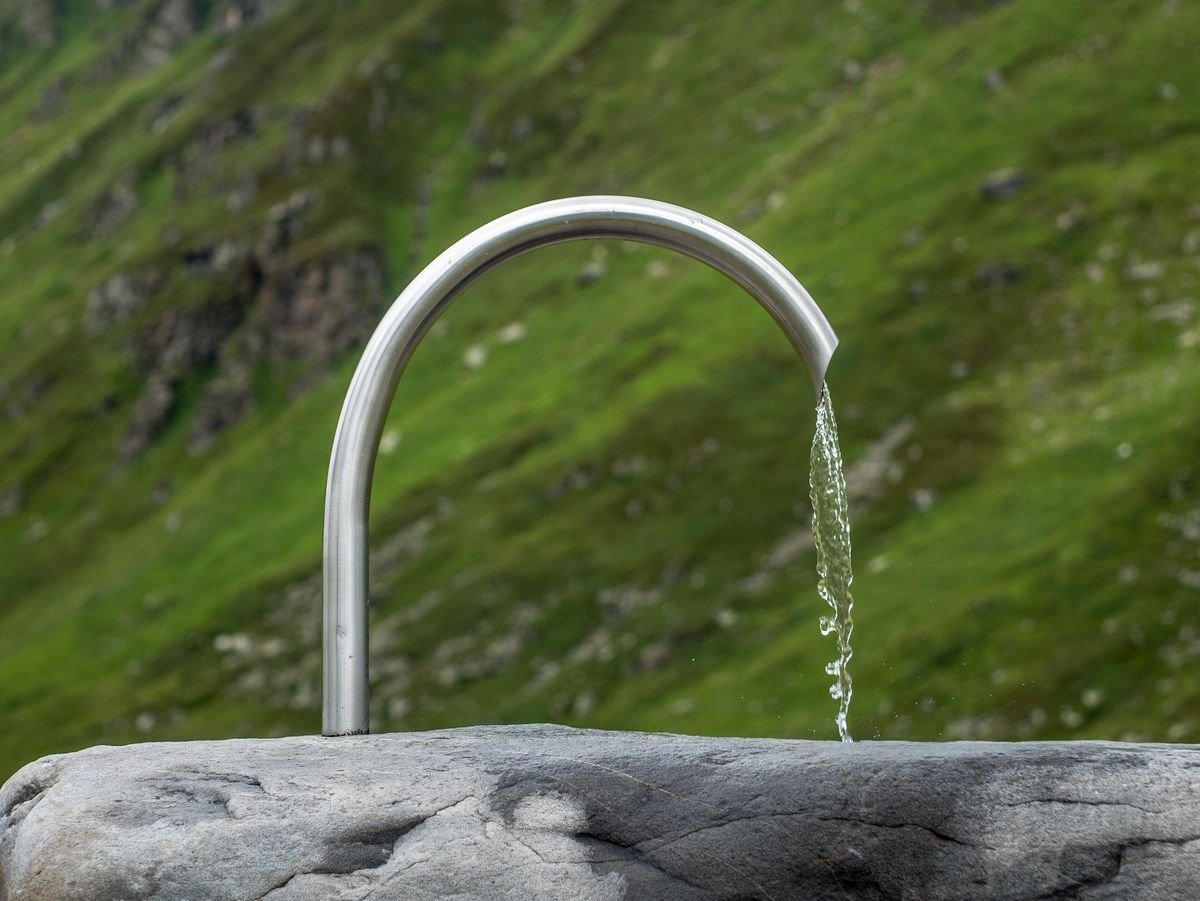
Unreliable access has different causes in different places. The source may be far away, seasonal or costly. The water may be unsafe to drink untreated. A system may exist but no longer work.
The right response depends on which of these is true, and the people who live there know best.
Our approach
We look to work alongside community groups and local organizations to identify barriers and explore solutions that fit local needs.
Our role is to ask useful questions, help compare options and support coordination. Local partners bring knowledge of the place.
What a local partner would help assess
- Where people get water now, and how reliable each source is through the year
- Who is most affected, and how
- What has been tried before, and what happened
- Who would own and maintain any new system
- What the community can afford to keep running
What collaboration could look like
Collaboration could start small: a conversation, a shared list of questions, a visit led by local partners. Decisions about what to pursue stay with the community.
Sustainable water solutions
Options worth evaluating, with upkeep in mind.

The need
Water systems stop working when the parts, skills or money for upkeep run out. And a solution that suits one place can be wrong for another.
Our approach
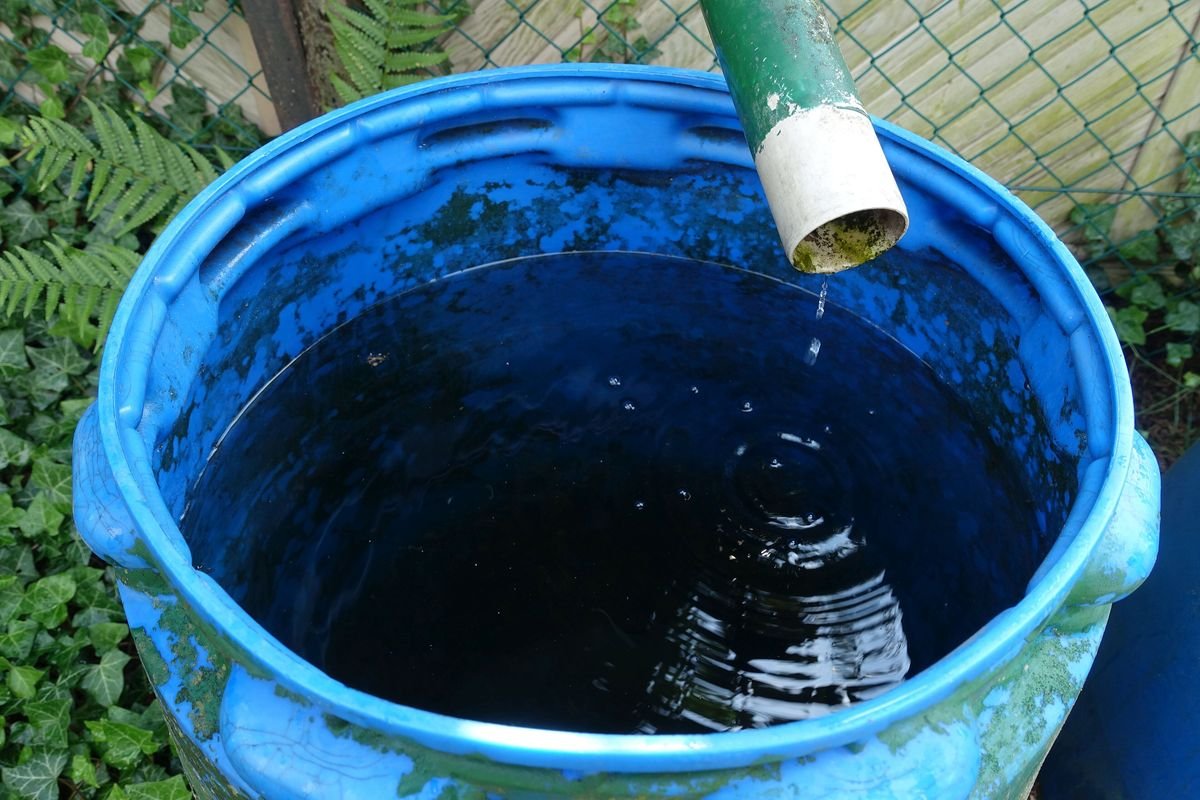
We treat each approach as a possibility to evaluate with local partners. Rainwater harvesting is one example: collecting rain from roofs and storing it for later use. Wells and filtration are others.
Whether any of them suits a community depends on rainfall, water quality, cost and who will look after the system.
Questions we would work through for rainwater harvesting
- How much rain falls, and in which months
- How much roof area and storage would be needed
- What the water will be used for, and whether it needs treatment first
- What it costs to build and to maintain
- Who is responsible for cleaning and repairs
What collaboration could look like
We would welcome conversations with organizations that have technical experience in water systems, and with community groups weighing their options.
Project reports
We have not published any project reports yet. When a project is documented, it will appear here with its dates, location, partners and sources.
If one of these priorities is yours too, write to us.
Tell us where you are and what you are working on.